
Mistakes DIY Beginners Make and How to Avoid Them

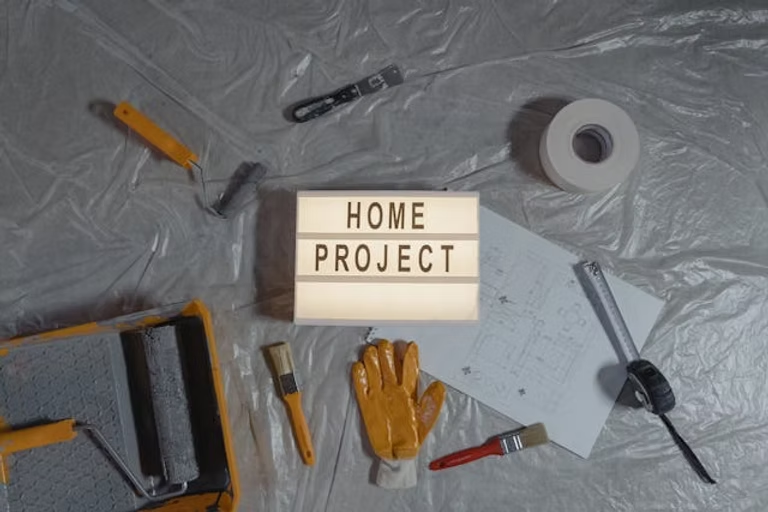
Every beginner makes mistakes. That's not a problem, it's just how learning works. But some mistakes are more avoidable than others, and knowing what to watch for before you start saves real time, money, and frustration.
Here are the most common mistakes DIY beginners make and what to do instead.
Mistakes DIY beginners make: the list
Starting without a clear plan
Vague ideas lead to mid-project decisions, extra store trips, and work you have to redo. A simple outline of steps, measurements, tools, and materials before you begin is worth more than it sounds. This matters especially if you're working on something like refreshing your home office on a budget, where every choice needs to serve a purpose.

Underestimating time and budget
Most beginner projects take longer and cost more than the first estimate. That's normal. Build in buffer time and a budget range rather than a single fixed number. Treating the first few projects as learning experiences takes the pressure off and leads to better results.
Using the wrong tools
Finishing a task with whatever is nearby slows progress and increases errors. Check that tools are charged, blades are sharp, and bits are the right size before you start. Borrowing or renting is a reasonable option when you need something specific for a one-off project.
Ignoring workspace safety
A cluttered space limits movement and hides hazards. Clear the floor, add light where you need it, and wear protective gear when the work calls for it. These aren't optional extras, they're what lets you work with confidence.
Not asking for help
Handling every step alone when you're stuck leads to stress and small mistakes that compound. A quick tutorial or a conversation with someone who's done it before often solves the problem in minutes.
Misjudging how much projects grow
Projects expand. Supplies run short. Unexpected fixes appear. This happens with home crafts and with bigger undertakings like moving, where hidden costs have a way of showing up at the worst moment. The lesson is the same in both cases: build slack into your planning from the start.
Rushing measurements
Fast or careless measuring creates cuts that don't align and materials you can't reuse. Measure twice, mark clearly, and keep tools steady. This one habit prevents more wasted material than almost anything else.
Choosing low-quality materials
Cheaper materials often cost more over time through repairs, replacements, and redoing work. Ask for guidance at the store on what holds up. Small upgrades in material quality have an outsized effect on the finished result.

Skipping surface prep
Paint that isn't adhering properly, hardware that won't stay tight, finishes that peel early, these almost always come back to skipped prep. Clean, sand, and prime before you apply anything. The few minutes it takes are almost always worth it.
Expecting skills to arrive fully formed
Cutting straight lines, painting clean edges, and getting joins tight all take practice. Use scrap pieces to warm up before you work on anything that matters. Skills grow faster than most beginners expect when they give themselves permission to practice.

Working in sessions that are too long
Tired hands and strained eyes produce crooked lines and uneven finishes. Take breaks during difficult steps. Coming back with fresh focus is faster than redoing work done badly.
Not checking progress at midpoints
Moving through every step without pausing to check alignment and spacing hides early problems until they're harder to fix. Stop at natural midpoints and look at tightness, balance, and angles before continuing.
Skipping the instructions
Instructions seem long until you make the mistake they were written to prevent. Keep the guide open even on beginner-friendly projects that seem straightforward. A quick read before each step takes less time than fixing a misplaced part.
The short version
The mistakes DIY beginners make most often come down to rushing, underestimating, and skipping steps that feel optional but aren't. Slow down slightly at the planning and prep stages and most projects go more smoothly than expected.
The DIYvinci Community is free, off social media, and full of people figuring this out at every skill level. community.diyvinci.com


Comments